The Four Levels of Mastery
Move beyond basic literacy. Learn the four levels of reading by Mortimer Adler and how to apply them to your personal library.
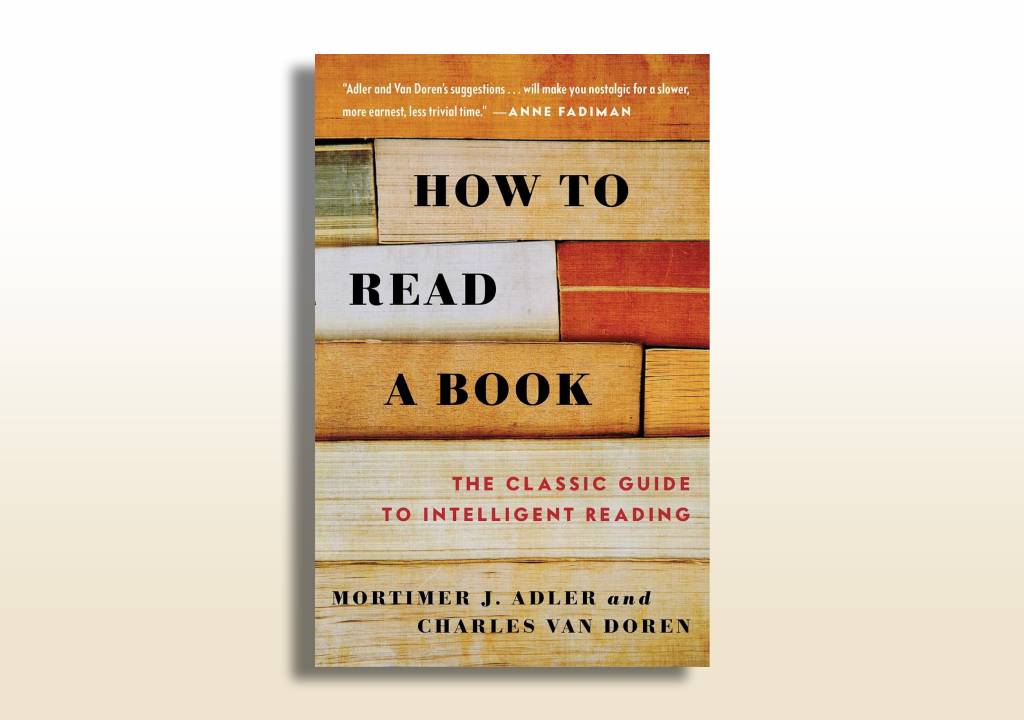
Following up on our journey to better habits, we need a framework. According to the American philosopher Mortimer Jerome Adler, there isn't just one way to read. There are four distinct levels:
- Elementary: The basic "what does this say?"
- Inspectional: Getting the essence in minutes.
- Analytical: Digging deep into the "why" and "how."
- Syntopical: Connecting ideas across multiple books.
1. Elementary Reading
This is the most basic level of reading. The goal here is to decode words and phrases, understanding the literal meaning of the text. The focus is on recognizing words, understanding simple sentences, and following the narrative or central idea.
2. Inspectional Reading
Also called speed or exploratory reading, this is the process of superficially analyzing a book to get an overview. Skim through the table of contents, introduction, subtitles, and quickly skim key sections.
3. Analytical Reading
Here, the reader seeks to fully understand the text. It's the deepest and most detailed reading, requiring time and attention. Taking notes, summarizing chapters, identifying arguments, and understanding the connections between ideas are common at this stage.
4. Syntopical Reading
Also called comparative reading, this involves analyzing multiple texts on the same topic. Here, the reader compares different authors, points of view, and arguments to form a critical and broad understanding. The goal is to develop their own perspective, not just by absorbing ideas, but by evaluating and contrasting multiple sources.